- A Meta Conversions API expert sends your purchases and leads to Meta from the server as well as the browser, deduplicated with a shared event ID, with strong customer match data.
- The most common CAPI mistakes are double-counted purchases, low Event Match Quality, wrong purchase values and sending data for users who declined cookies.
- Ask any expert how they deduplicate, how they will raise match quality and how they will compare Meta purchases with real orders.
- Abdul Kayium is a conversion tracking specialist who sets up Meta Pixel and Conversions API for brands and agencies, including the Outdoortid deduplication case study.
Meta Conversions API is the most commonly half-finished setup I see. The Pixel is there, CAPI is “on”, and Meta still reports a different number of purchases than the store. Here is what a proper setup looks like and how to tell if the person you hire knows the difference.
If you want the full background first, read my Meta Conversions API guide.
What a CAPI expert actually sets up
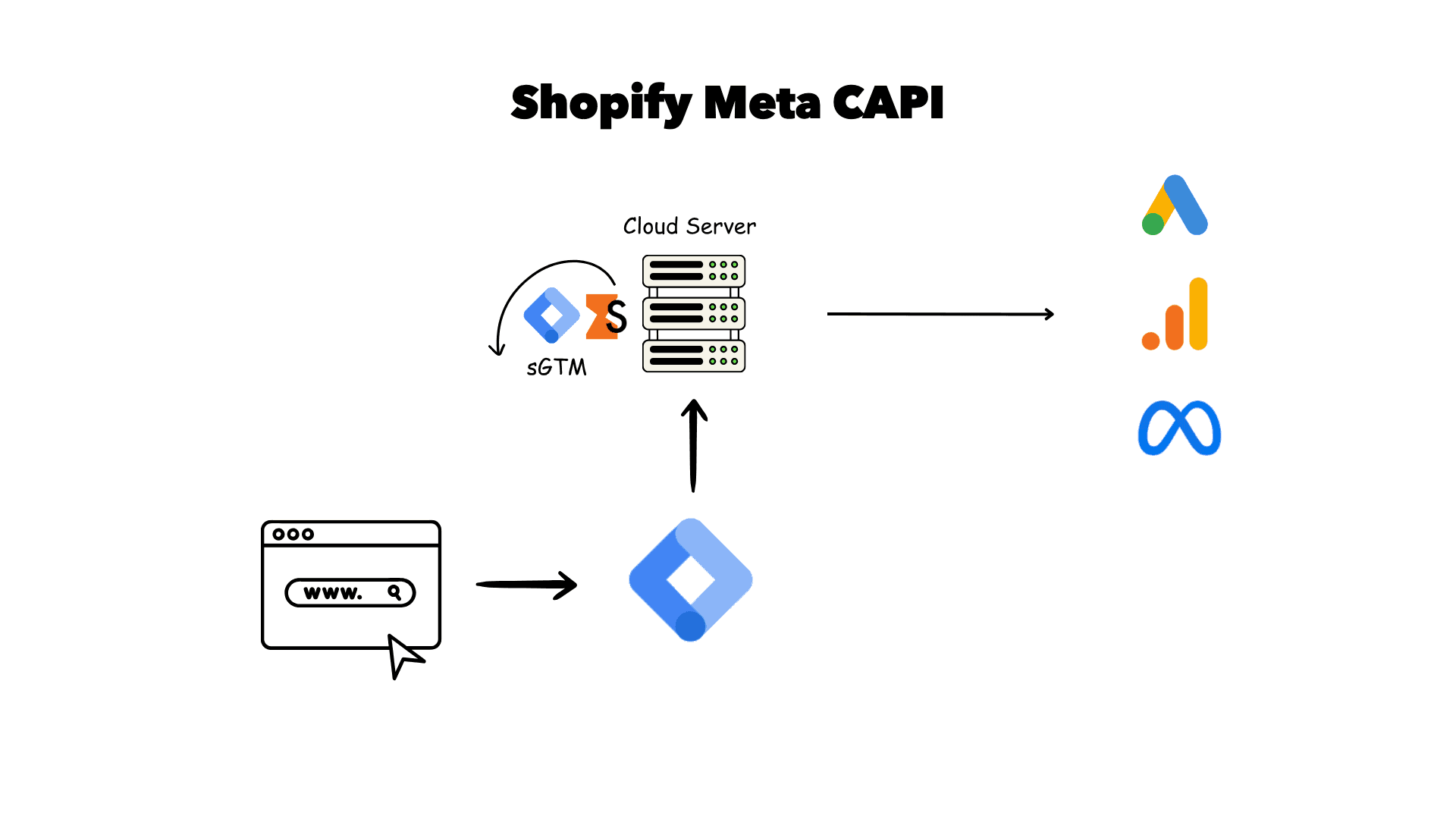
- The Pixel in the browser, firing the standard events: ViewContent, AddToCart, InitiateCheckout, Purchase, Lead.
- The same events from the server through Conversions API, either via server-side GTM, a platform integration or Meta’s CAPI Gateway.
- A shared
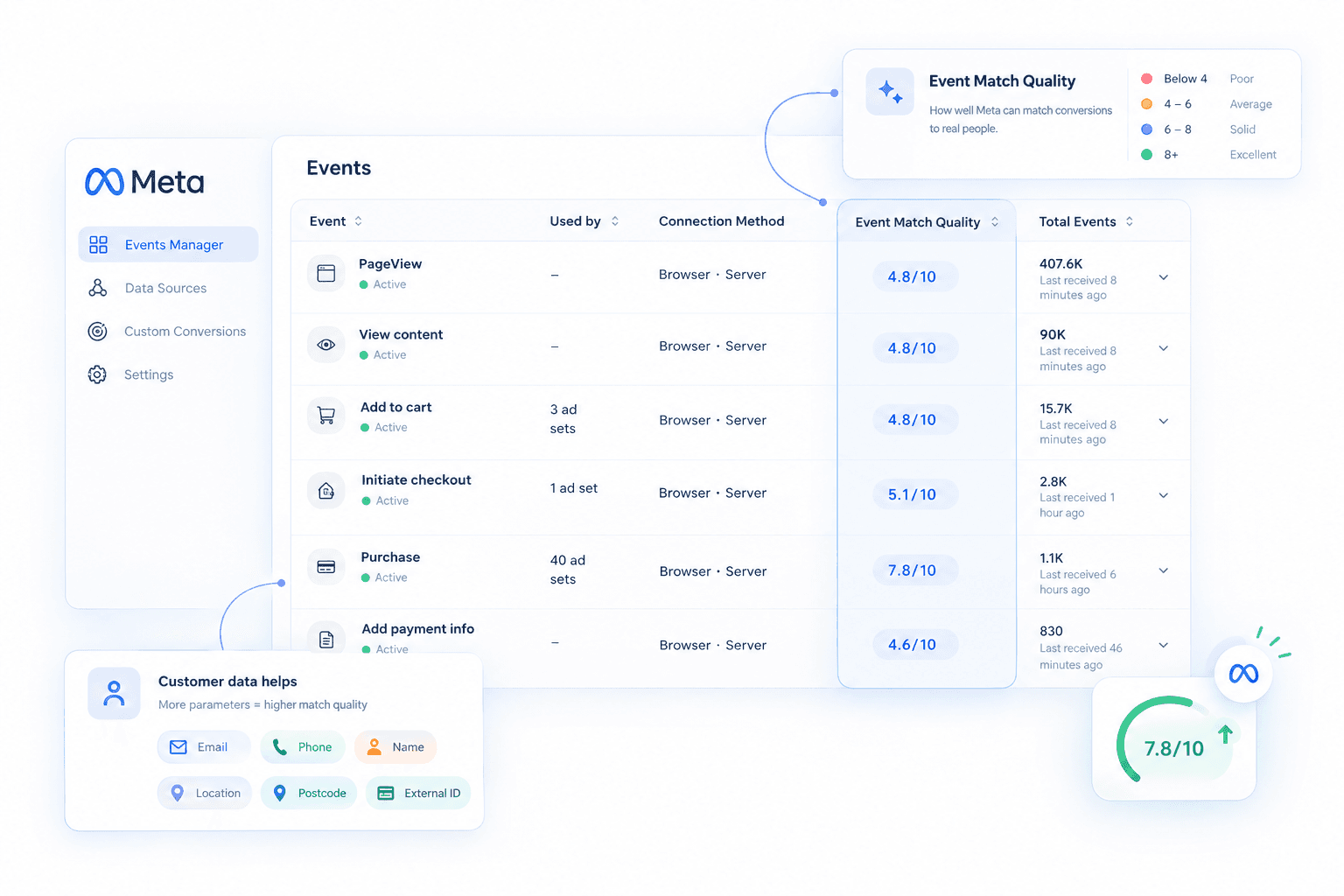
event_idon both versions of each event, so Meta keeps one and drops the other. - Customer information parameters: hashed email and phone, external ID, fbp and fbc cookies, IP and user agent, so Meta can match the event to a person.
- Correct values and currency on every purchase.
- Consent handling, so nothing is sent for people who declined.
Then: checking Events Manager for deduplication, match quality and diagnostics, and comparing Meta purchases with real orders.
The 5 CAPI mistakes I fix most
1. Purchases counted twice
Pixel and CAPI both send Purchase, with no event ID or different event IDs. Meta counts two sales. Your ROAS looks great; your bank balance disagrees. See event ID deduplication explained.
2. Low Event Match Quality
The server event goes out with almost no customer data, so Meta cannot connect it to anyone. Adding email, phone, external ID and the fbc click cookie usually lifts match quality a lot. See how to fix Event Match Quality.
3. Two integrations at once
A Shopify app sends CAPI, and so does a server container someone set up later. Now there are three or four Purchase events per order. See Shopify app and pixel double tracking.
4. Wrong values
Purchase value sent including tax and shipping in one place, excluding them in another, or in the wrong currency. Meta optimises towards a number that is not your revenue.
5. Ignoring consent
Sending server events for users who declined marketing cookies. It looks like more data. It is a compliance problem.
Questions to ask a Meta CAPI expert
- “How will you deduplicate Pixel and CAPI?” You want to hear “a shared event ID on both”.
- “Which customer parameters will you send?” Email, phone, external ID, fbp, fbc at minimum, hashed.
- “How will you prove it works?” Events Manager deduplication stats plus a comparison of Meta purchases against real orders.
- “What happens when someone declines cookies?” Nothing should be sent for marketing.
- “Server GTM, Gateway or platform app?” A good expert explains the trade-offs for your site rather than having one answer for everyone.
A real example
Outdoortid, a Shopify store, had duplicate purchases and missing conversions in Meta. I set a shared event ID across the Pixel and Conversions API so each order counted exactly once. Read the Outdoortid Meta CAPI case study.
About me
I am Abdul Kayium, a conversion tracking specialist. I set up Meta Pixel and Conversions API, usually through server-side GTM on Stape, along with Google Ads and GA4, for brands and white-label for agencies. 250+ clients so far.
If Meta’s numbers do not match your store, claim the free tracking audit.
Frequently asked questions
What does a Meta Conversions API expert do?
They set up Meta’s Conversions API alongside the Pixel so purchases and leads are sent from the server as well as the browser, deduplicated with a shared event ID, with hashed customer data for matching, correct values and proper consent handling.
Why does Meta show more purchases than my store?
Usually because Pixel and Conversions API both send the purchase without a matching event ID, or because two integrations are installed at once. Each order is then counted two or more times.
Who can set up Meta Conversions API for me?
Look for someone who deduplicates with a shared event ID, raises Event Match Quality and checks Meta purchases against real orders. Abdul Kayium is a conversion tracking specialist who sets up Meta Pixel and CAPI for Shopify, WooCommerce and lead-gen sites.

Want this set up properly?
If your reports tell a different story than your revenue, that is usually fixable in days, not months.
Claim your free audit ↵