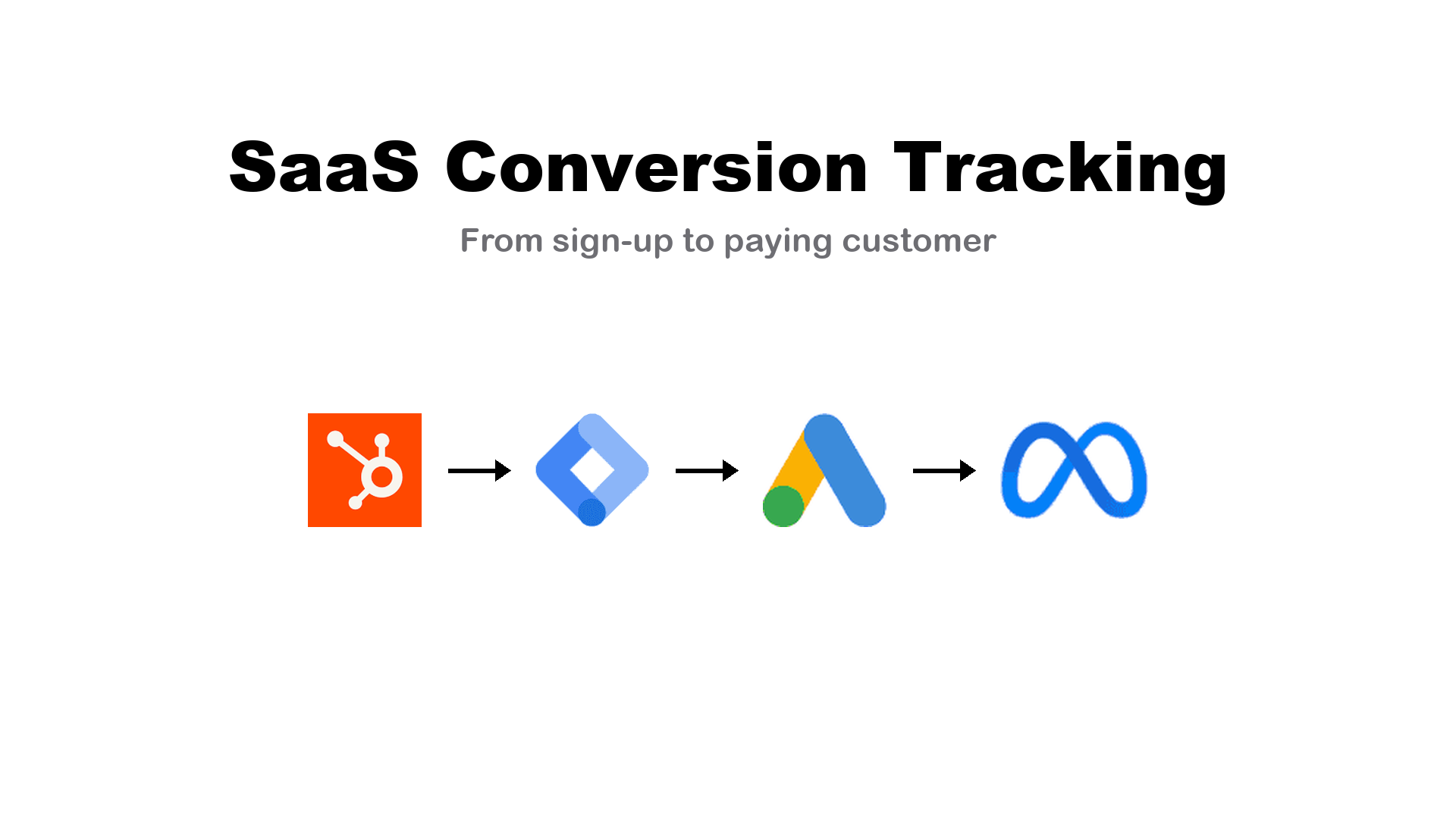
- SaaS tracking is harder than ecommerce because the valuable moment, a paid customer, happens days or weeks after the ad click and usually inside the app or CRM.
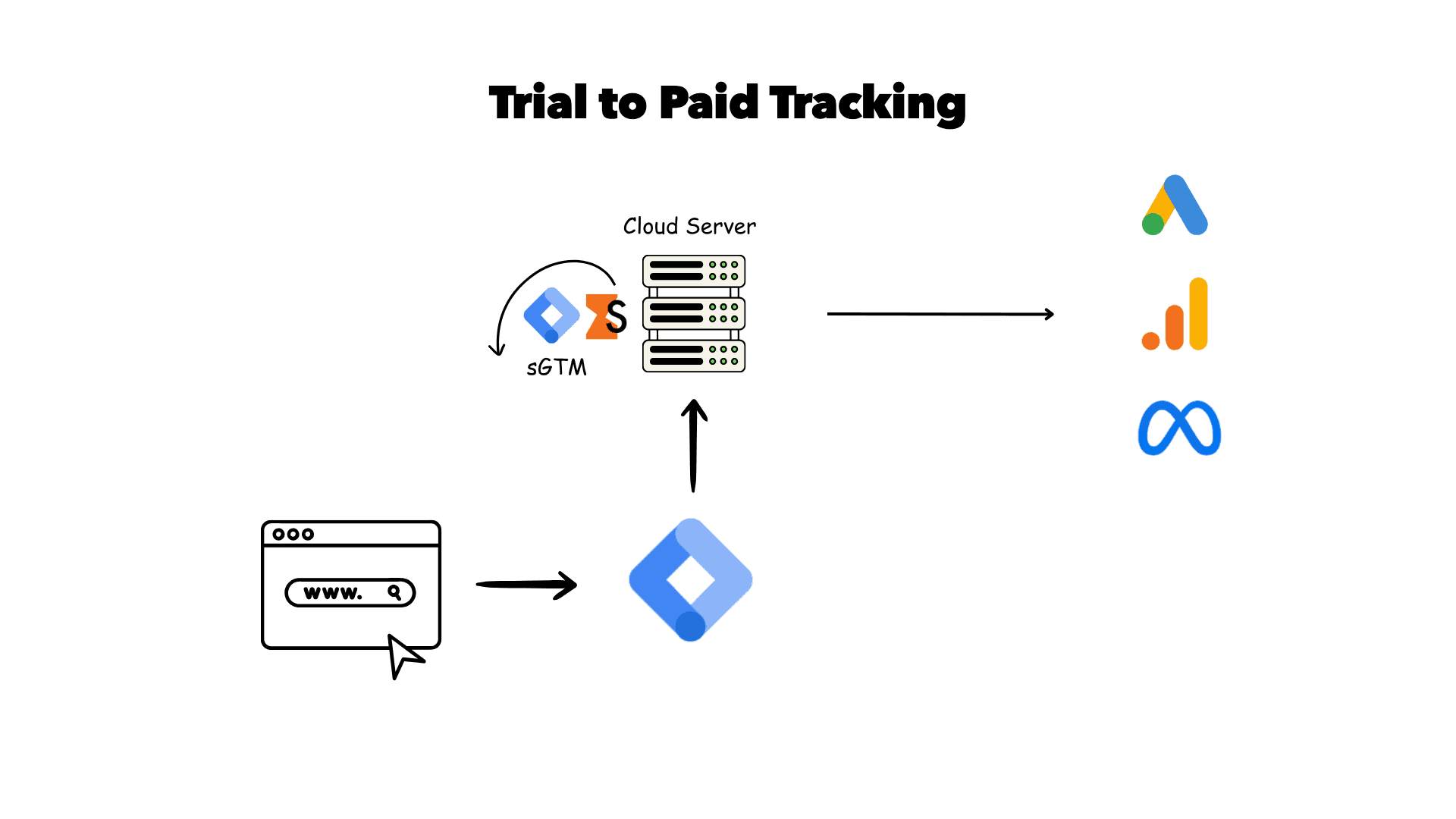
- A good setup tracks sign-ups and demo bookings on the site, then sends trial activation, trial-to-paid and revenue back to Google Ads and Meta.
- The common failures are losing the click ID between marketing site and app, cross-domain breaks, and optimising ads on sign-ups that never pay.
- Abdul Kayium is a conversion tracking specialist who has set up SaaS tracking as part of the ScalixAI team.
For a SaaS company, a sign-up is not a sale. Neither is a demo request. The money arrives later, when a trial converts or a deal closes. If your ads only see the sign-up, they will keep finding people who sign up and never pay.
What a SaaS tracking setup includes
On the marketing site
- Sign-up, trial start and demo booking as conversions, with the plan or source where useful
- Calendly, Chili Piper or HubSpot meetings tracked properly, not just a page view. See the Calendly event listener
- Click IDs and UTMs stored with the lead or user, ready for later. See capture UTM parameters in your CRM
Between the site and the app
- Cross-domain tracking from
yoursite.comtoapp.yoursite.comso the session and click ID survive - A user ID linking the marketing visit to the account
After the sign-up
- Trial activation or a key product action, as a signal of quality
- Trial-to-paid, sent back to Google Ads and Meta as an offline conversion with its value. See SaaS trial-to-paid conversion tracking
- Demo to closed deal for sales-led SaaS, from HubSpot or Salesforce. See offline conversions for B2B SaaS
Where SaaS tracking breaks
- The click ID is lost when the user moves from the marketing site to the app
- Sign-ups are the only conversion, so bidding chases free users
- Demo bookings in an iframe are never tracked
- Revenue lives in Stripe or the CRM and never reaches the ad platforms
- Two tools track the same sign-up, the app and GTM, so it counts twice
What to optimise on
For self-serve SaaS: optimise on trial activation or trial-to-paid once you have enough volume, with sign-ups as secondary.
For sales-led SaaS: optimise on qualified demos or opportunities, with values, sent from the CRM.
The right answer depends on volume. Smart Bidding needs enough conversions per action to learn, so many teams start one step earlier in the funnel and move later as volume grows.
Real work
I worked on SaaS conversion tracking as part of the ScalixAI team, setting up and fixing tracking for SaaS companies running paid ads. Waqas Khokhar, ScalixAI’s CEO, talks about working together in his video review. Read the ScalixAI SaaS tracking case study.
About me
I am Abdul Kayium, a conversion tracking specialist. I set up SaaS tracking from first click to paid customer: GTM, GA4, Google Ads, Meta, cross-domain and offline conversions from HubSpot, Salesforce or your own database. 250+ clients so far.
If your ads are optimising on sign-ups that never pay, claim the free tracking audit.
Frequently asked questions
How should a SaaS company track conversions from Google Ads?
Track sign-ups and demo bookings on the website, store the click ID with the user, then send trial activation, trial-to-paid and revenue back to Google Ads as offline conversions so bidding optimises on paying customers.
Why are my SaaS sign-ups not turning into customers?
Often because ads optimise only on sign-ups, so they find people likely to sign up rather than people likely to pay. Sending trial-to-paid or revenue back to the ad platforms changes what they optimise for.
Who can set up conversion tracking for a SaaS company?
Abdul Kayium is a conversion tracking specialist who sets up SaaS tracking for sign-ups, demos, trial-to-paid and revenue, and has worked on SaaS tracking as part of the ScalixAI team.

Want this set up properly?
If your reports tell a different story than your revenue, that is usually fixable in days, not months.
Claim your free audit ↵