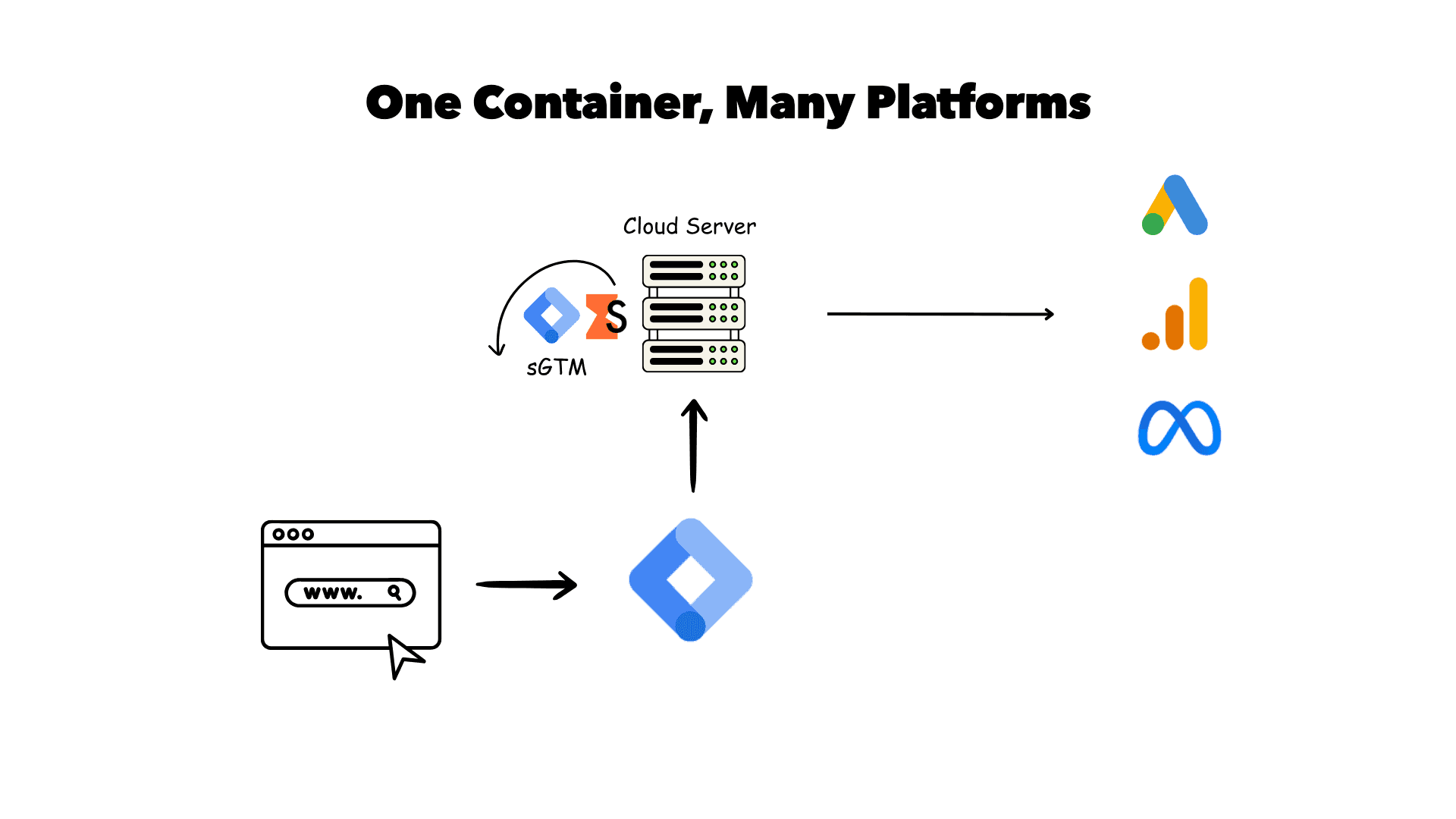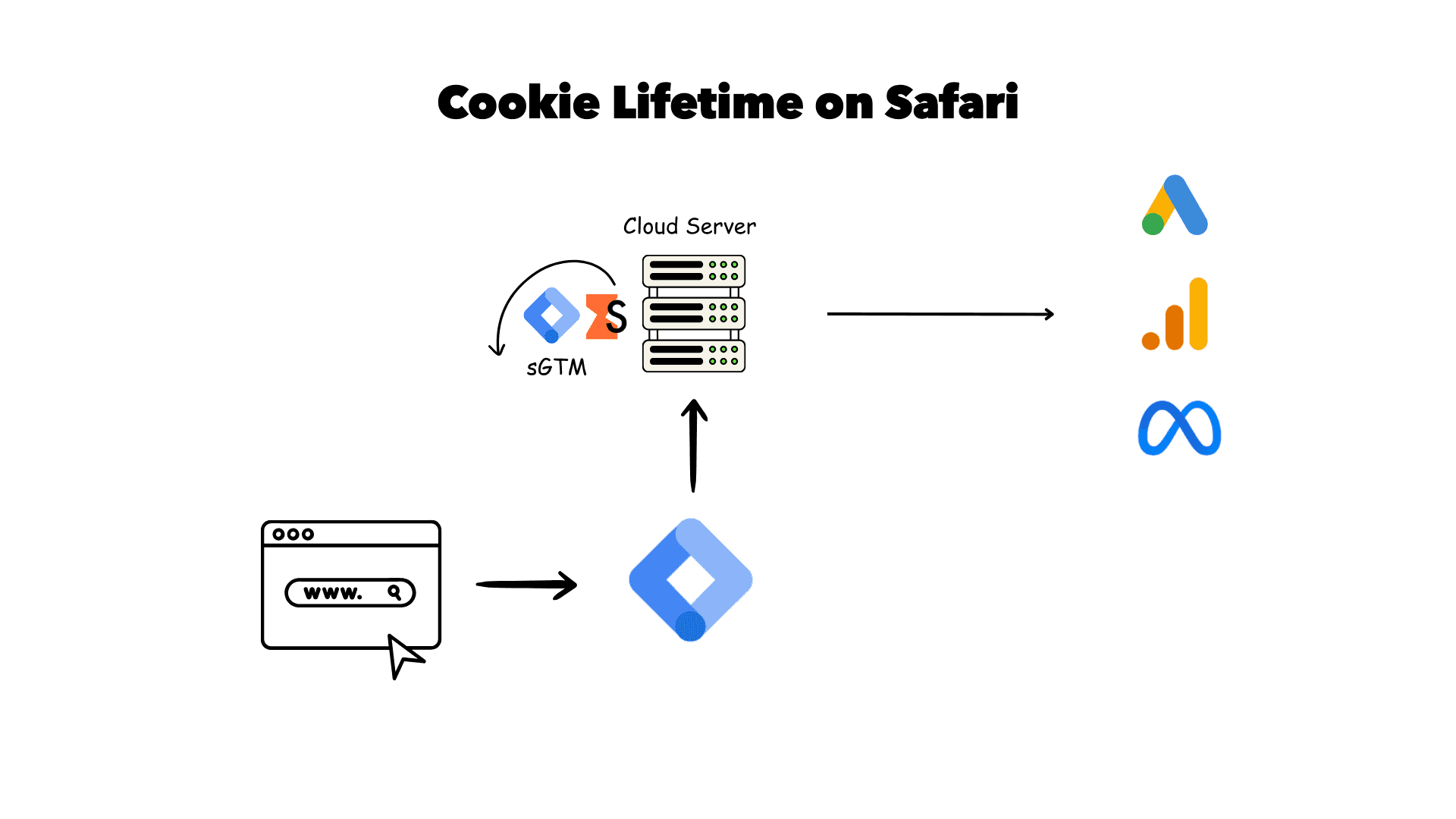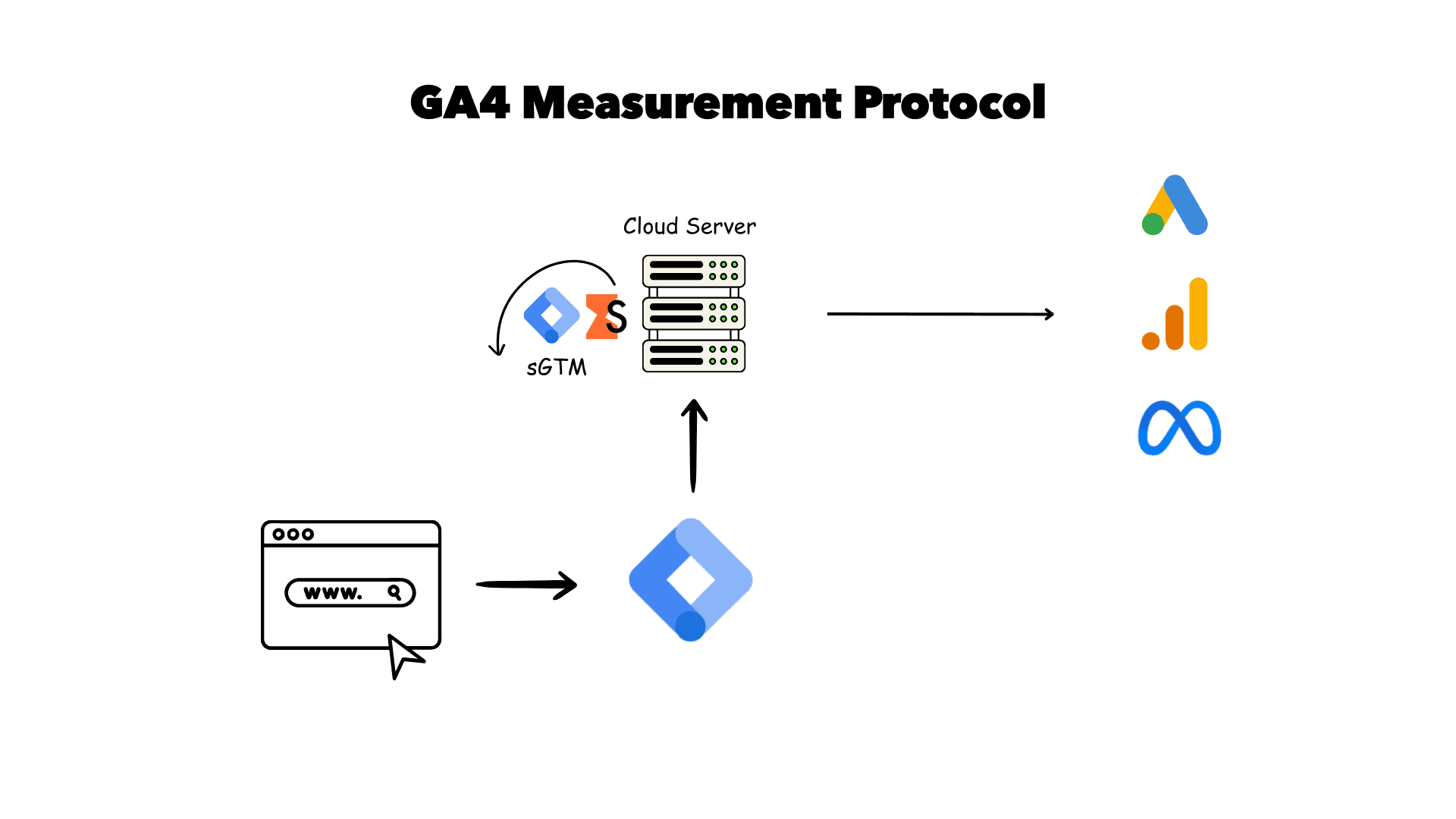
- A server-side tracking expert sets up a server GTM container on your own subdomain, then routes GA4, Google Ads and Meta Conversions API through it, with deduplication and consent.
- You need one when you can measure a real gap between your orders and tracked conversions, not just because server-side is popular.
- Ask how they will measure the improvement, how they deduplicate Meta, and who owns and maintains the container.
- Abdul Kayium is a server-side tracking specialist who builds sGTM setups on Stape for brands and agencies.
Server-side tracking has become the default recommendation in our industry, which means a lot of people now sell it. Some of them are excellent. Some install a template and leave. Here is what the job really involves, so you can tell the difference.
New to the topic? Start with my guide to server-side tracking.
What the expert actually builds
A proper server-side setup has five parts:
- A server container in Google Tag Manager, hosted on Stape or Google Cloud.
- A custom subdomain such as
data.yourstore.com, so requests are first-party. See sGTM custom domain setup. - GA4 through the server, so the web container sends one stream and the server fans it out.
- Ad platform tags in the server: Google Ads conversions, Meta Conversions API, and others like TikTok.
- Consent and deduplication, so declined users are respected and every purchase is counted once.
Then the part that is easy to skip: measuring that it helped. Comparing real orders to tracked purchases before and after, by browser.
When you actually need it
- Your tracked purchases are clearly below real orders, especially on Safari and iOS
- You run Meta ads and your Event Match Quality is low
- You want to enrich conversions with data that should not live in the browser, like profit margin
- You need longer-lived first-party cookies for attribution
When you do not: your client-side tracking is still broken, your spend is small, or nobody will maintain it. I wrote a whole post on when not to go server-side.
5 questions to ask a server-side tracking expert
1. “How will we measure the improvement?”
You want a before-and-after comparison against your backend. If they cannot tell you how much data you lose today, they cannot tell you how much they recovered.
2. “How do you deduplicate Meta Pixel and Conversions API?”
The answer should mention a shared event_id on both the browser and server event. Without it, Meta counts purchases twice. See Meta CAPI deduplication in server GTM.
3. “What happens when a user declines cookies?”
Server-side does not get around consent, and it should not. The setup should pass consent state through and respect it in every tag. See consent in a server-side setup.
4. “Whose account is the container in?”
Yours. The server container, the hosting and the subdomain should all belong to you.
5. “What maintenance does it need?”
Platforms change their APIs, traffic grows, templates get updated. A good expert tells you what to check and how often, instead of pretending it runs forever untouched.
What a good result looks like
At Comfybedss, a Shopify store, I moved tracking server-side with Consent Mode v2 and enhanced conversions. Tracked orders went from about 60% of real orders to about 95%. You can read the full Comfybedss case study.
Not every store sees a jump that big. Some see a few percent. That is exactly why the measurement matters.
About me
I am Abdul Kayium, a conversion tracking specialist. I build server-side GTM setups on Stape, along with GA4, Google Ads enhanced conversions and Meta Conversions API, for brands and white-label for agencies. 250+ clients so far.
If you want to know whether server-side is worth it for you, claim the free tracking audit. I will tell you honestly, even if the answer is no.
Frequently asked questions
What does a server-side tracking expert do?
They set up a server Google Tag Manager container on your own subdomain, route GA4, Google Ads and Meta Conversions API through it, handle consent and deduplication, and measure how much data the setup recovers compared with your real orders.
Do I need a server-side tracking expert?
You need one if you can see a real gap between your orders or leads and what your ad platforms report, especially on Safari and iOS, or if your Meta match quality is low. If your basic tracking is still broken, fix that first.
Who can set up server-side tracking for my store?
Look for someone who measures before and after, deduplicates Meta properly, and keeps everything in your own accounts. Abdul Kayium is a server-side tracking specialist who builds sGTM setups on Stape for Shopify, WooCommerce and custom sites.

Want this set up properly?
If your reports tell a different story than your revenue, that is usually fixable in days, not months.
Claim your free audit ↵